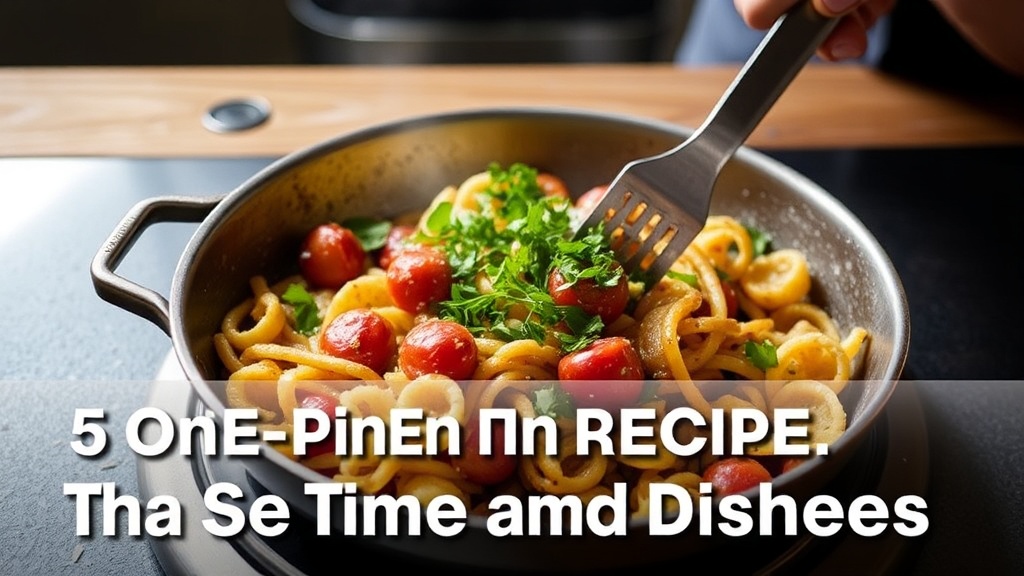
5 One-Pan Dinner Recipes That Save Time and Dishes

Lemon Herb Sheet Pan Chicken with Roasted Vegetables
Creamy Tuscan Salmon in a Cast Iron Skillet
One-Pot Pasta Primavera with Fresh Seasonal Veggies
Spicy Sausage and Potato Foil Packet Dinner
Honey Garlic Shrimp and Broccoli Stir-Fry
One-pan dinners deliver complete meals with minimal cleanup. This post covers five proven recipes—from sheet pan chicken to Dutch oven beef stew—plus the equipment and techniques that make them work. You'll spend less time washing dishes and more time enjoying dinner.
What exactly counts as a one-pan dinner?
A one-pan dinner means every component of the meal—protein, vegetables, starch—cooks in a single vessel. (Some recipes might use a bowl for mixing beforehand, but the actual cooking happens in one pan.) This approach isn't just trendy. It's practical.
The beauty lies in flavor layering. As ingredients cook together, they share juices and seasonings. That chicken thigh sitting next to sweet potato wedges? It's soaking up caramelized edges and savory drippings. You're building complexity without complexity.
Why are one-pan meals so popular with busy home cooks?
Time and cleanup drive the appeal. Most one-pan dinners take under 45 minutes from prep to plate. (And washing one pan beats a sink full of pots any day of the week.)
Here's the thing—one-pan cooking also reduces decision fatigue. No timing multiple dishes. No wondering if the rice will finish when the fish does. Everything finishes together or gets added in stages to the same vessel. That said, success requires understanding your equipment. A thin aluminum sheet pan behaves nothing like a Lodge cast iron skillet. The former needs parchment paper and oil to prevent sticking; the latter holds heat like a bank vault and sears beautifully.
Recipe 1: Sheet Pan Lemon Herb Chicken with Roasted Vegetables
This is the gateway recipe. Bone-in, skin-on chicken thighs nestle among red potatoes, red onion wedges, and whole garlic cloves. Everything roasts at 425°F for 35-40 minutes.
The technique is simple but specific. Start the potatoes first—they need 10 minutes head start in the oven. Then add everything else. This prevents mushy spuds and ensures the chicken skin renders crisp.
For seasoning, skip the dried herb blends. Fresh rosemary and thyme (stems and all—just tuck them under the chicken) perfume the entire pan. A generous squeeze of lemon juice after roasting brightens the fat-heavy drippings. Serve straight from the pan or plate individually.
Recipe 2: One-Skillet Creamy Tuscan Pasta
Pasta that cooks in its own sauce. No colander required.
Start with Italian sausage—Boar's Head or a good local butcher's version—browned in a deep skillet. Remove it, then sauté garlic and sun-dried tomatoes in the rendered fat. Add dry pasta (yes, really), chicken stock, and cream. The pasta absorbs the liquid as it cooks, creating a sauce that's already integrated.
Stir frequently. (The catch? Dry pasta sticks if you walk away.) After 12-15 minutes, fold in spinach and the reserved sausage. The residual heat wilts the greens perfectly. Finish with Pecorino Romano—not the pre-grated stuff from the green can. A Microplane grater makes quick work of a fresh wedge.
Pro tip: Pan depth matters
Skillet pasta needs a 3-inch minimum wall height. A standard frying pan won't cut it—you need a sauté pan or deep skillet. The extra volume prevents boil-overs and allows room for stirring.
Recipe 3: Cast Iron Skillet Fajitas
Restaurant-style sizzle without the trip to Chili's.
Slice flank steak against the grain—quarter-inch thick, no thicker. Bell peppers (mix red and green for color) and onions get the same treatment. The secret is a screaming hot cast iron skillet. Preheat it empty for 5 minutes. It should hiss when the oil hits.
Cook in batches. Crowding steams instead of sears. Each batch gets 2-3 minutes undisturbed, then a toss. Season with cumin, smoked paprika, and a pinch of chipotle powder. Serve with warm tortillas, guacamole, and whatever else you like. The pan stays hot on the table—trivet required.
What pans work best for one-pan dinners?
Material and size determine success more than brand names.
| Pan Type | Best For | Price Range | Caveats |
|---|---|---|---|
| Half-sheet pan (18x13") | Roasting proteins + vegetables | $15-$30 (Nordic Ware) | Must line with parchment or foil |
| 12" Cast iron skillet | Seared meats, fajitas, cornbread | $25-$50 (Lodge) | Heavy; needs seasoning maintenance |
| 5-7 quart Dutch oven | Stews, braises, baked pasta | $50-$350 (Le Creuset vs. Lodge) | Long preheat time; retains heat forever |
| Large carbon steel wok | Stir-fries, fried rice, quick vegetables | $40-$80 (Joyce Chen, Yosukata) | Requires high heat; learning curve |
Worth noting: You don't need all of these. A half-sheet pan and one good skillet handle 90% of one-pan cooking.
Recipe 4: Dutch Oven Red Wine Beef Stew
Cold weather comfort. Chuck roast—cut into two-inch chunks, not one-inch (they shrink)—browns in batches. Each piece needs space to develop fond, that sticky brown stuff on the pan bottom. That's flavor.
Deglaze with Cabernet Sauvignon or a decent Côtes du Rhône. (Don't use cooking wine. It's salty and terrible.) Add beef stock, tomato paste, bay leaves, and thyme. Simmer covered for two hours. Then add carrots and potatoes—they'd turn to mush if they went in earlier.
The final 30 minutes uncovered reduces the liquid slightly. The result is a rich, velvety stew that tastes like it took all day. (It mostly did, but your involvement was maybe 30 minutes.) Serve with crusty bread from a local bakery—Boudin if you're on the West Coast, or whatever sourdough specialist operates in your area.
Recipe 5: One-Pan Salmon with Asparagus and Potatoes
Weeknight elegance in 25 minutes. Baby potatoes—halved if large—par-cook in the pan with olive oil and salt while you prep everything else. They need about 10 minutes head start.
Add asparagus (tough ends snapped off) in a single layer. Nestle salmon fillets—skin-on, from a reputable fish counter like Whole Foods or your local monger—among the vegetables. Season everything with lemon zest, dill, and cracked black pepper.
Here's the thing about salmon: it overcooks fast. 12 minutes at 400°F is plenty for medium doneness. The vegetables finish simultaneously. A final drizzle of good olive oil—something from California like Bragg or a quality import—and you're done.
Variation: Change the protein, keep the method
This formula works with any firm fish—halibut, cod, arctic char. For chicken thighs, add 10 minutes. For tofu, press it first and reduce cooking time by 5 minutes. The vegetables stay the same; the timing adjusts.
How do you prevent one-pan meals from becoming soggy?
Moisture management separates good one-pan dinners from mushy disappointments.
First, don't overcrowd. Ingredients need space for steam to escape. If everything's touching, you're steaming instead of roasting. Use two pans if necessary—better two pans of crispy food than one pan of sad, wet vegetables.
Second, consider moisture content. Zucchini and mushrooms release water as they cook. Pair them with absorbent ingredients (rice, bread cubes) or roast them separately first to drive off excess liquid. The catch? Some dishes—stews, braises—rely on that moisture. Know your goal before you start.
Third, finish with acid. A splash of vinegar or lemon juice at the end brightens flavors and cuts through richness. It's the difference between "this is fine" and "can I have the recipe?"
Common mistakes that ruin one-pan dinners
Uniform cutting isn't just for looks. When everything's the same size, it cooks evenly. That carrot that's twice as thick as its neighbors? It'll be crunchy while everything else is perfect. Or worse—everything else turns to mush while you wait for the thick one.
Skipping the preheat is another killer. A cold pan into a hot oven cooks differently than a hot pan. That initial blast of heat creates browning—the Maillard reaction—that builds flavor. Without it, you're just steaming in slow motion.
Finally, respect resting time. Meat straight from the oven is tight and tough. Five minutes on a cutting board (tented loosely with foil if you're worried about temperature) lets juices redistribute. The pan stays hot; the food improves.
One-pan cooking isn't magic. It's organization—mise en place, as the French call it—combined with understanding how heat works. Master these five recipes and you'll improvise your own variations. The dishes won't wash themselves, but at least there'll only be one.