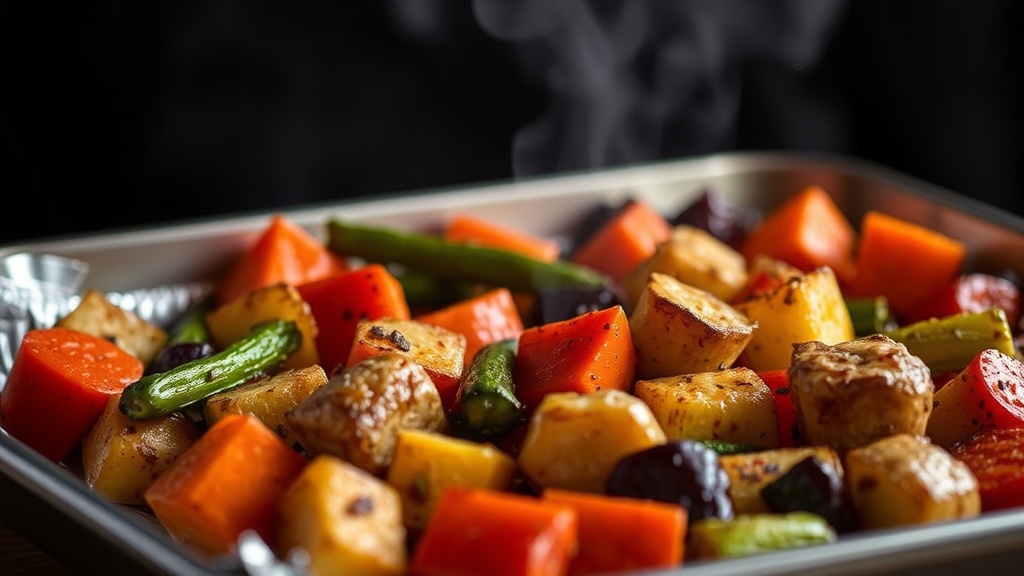
7 Roasting Mistakes That Leave Your Vegetables Limp and Lifeless

You slide the sheet pan from the oven, expecting golden-brown Brussels sprouts with those crackly, caramelized edges that make your mouth water. Instead, you find pale green orbs swimming in a puddle of water, steaming rather than roasting—soggy, limp, and nothing like the crispy vegetables you envisioned. This scene plays out in home kitchens everywhere, and the culprit usually isn't your oven's calibration or the freshness of your produce. It's a handful of small, correctable mistakes that compound into disappointing results. The good news? Each one has a straightforward fix, and once you understand the science behind what makes vegetables crisp, you'll turn out restaurant-quality roasted vegetables every single time. No special equipment required—just attention to detail and a willingness to question your usual routine.
Are You Crowding the Pan?
Steam is the enemy of browning. When you pile butternut squash cubes or cauliflower florets onto a baking sheet like you're filling a cereal bowl, they end up boiling in their own moisture instead of roasting. Vegetables release water as they cook—that's simple physics. If there's no space for that moisture to evaporate into the hot, dry air of your oven, it stays trapped between the pieces, creating a humid microclimate that keeps the surface temperature too low for the Maillard reaction to kick in. You want deep, complex browning, not pale steaming.
The fix is straightforward: give everything room to breathe. Spread vegetables in a single layer with at least half an inch of space between pieces. Yes, this means you might need two sheet pans instead of one. That's not a problem—it's the price of crispiness. If you're cooking for a crowd, use multiple pans on different oven racks rather than packing everything onto one crowded tray. Rotate the pans halfway through cooking, swapping their positions to ensure even browning. And don't cover the pan with foil—that creates a steam trap that works against your goals.
Is Your Oven Actually Hot Enough?
Most home cooks set their ovens to 350°F out of habit. That's fine for baking cakes or casseroles, but it's far too low for roasting vegetables. At that temperature, your Brussels sprouts or carrots will slowly soften and release moisture without ever getting hot enough to trigger the chemical reactions that create browning. By the time they're cooked through, they've essentially stewed in their own juices—tender, yes, but lacking the textural contrast and complex flavors that make roasted vegetables irresistible.
Crank the heat. Set your oven to 425°F or even 450°F. High heat accomplishes two critical things: it quickly evaporates surface moisture and drives the internal temperature past the threshold where amino acids and reducing sugars react to create hundreds of flavor compounds and that golden-brown exterior we crave. Your oven needs time to fully preheat—at least 20 minutes after it beeps. That beeping sound merely indicates the air has reached temperature, but the metal walls of your oven are still warming up, and that thermal mass matters for maintaining temperature stability when you open the door and slide in a cold pan. For more on the science of roasting temperatures, Serious Eats breaks down the Maillard reaction in detail.
Did You Skip the Drying Step?
Here's something most recipes gloss over or mention in passing: wet vegetables don't brown. If you've just washed your potatoes or zucchini under the tap and tossed them straight into oil and seasonings, that surface water has to evaporate completely before any browning chemistry can begin. By the time the moisture cooks off—steaming the vegetable's exterior in the process—the interior is often already soft and fully cooked. No more chance for textural contrast between a crispy exterior and tender interior.
Take the extra two minutes to dry your vegetables thoroughly. Spread them on a clean kitchen towel and pat them dry with paper towels, or let them air-dry on a wire rack while your oven preheats. This step is especially critical for dense, moisture-rich vegetables like potatoes, sweet potatoes, and winter squash. Even pre-cut vegetables from the grocery store often benefit from a quick drying—the condensation that forms in those plastic clamshell containers is actively working against your crispy goals. For mushrooms, which act like little sponges, skip washing entirely and use a damp paper towel to brush away dirt instead.
Are You Stirring Too Often?
It feels productive to shuffle vegetables around every few minutes. You're ensuring even cooking and preventing burning, right? Actually, no—you're sabotaging the browning process. Every time you open the oven door, you lose heat—sometimes 50 degrees or more that takes several minutes to recover. And every time you flip those sweet potato cubes or broccoli florets, you're scraping away the developing crust before it has a chance to fully form. The Maillard reaction needs sustained contact with a hot surface to create those flavorful brown spots and caramelized edges.
Let them be. Roast vegetables undisturbed for at least 15-20 minutes before checking or flipping. This gives the bottom surface time to develop a proper crust that releases naturally from the pan. When you do flip, use a thin metal spatula (not a wooden spoon) to get underneath and turn them gently. If they're sticking to the pan, they're not ready to flip—give them another few minutes. That crust will release easily when it's fully formed and properly browned. Patience here pays dividends in flavor and texture.
Did You Choose the Wrong Fat?
Not all fats can handle the high heat required for proper roasting. Butter burns at around 350°F—well below the temperatures we're targeting for proper caramelization. Extra virgin olive oil has a relatively low smoke point too (around 375°F), and burnt oil tastes acrid and unpleasant, coating your vegetables with bitter, off-putting flavors that no amount of seasoning can mask.
Reach for fats with high smoke points: refined avocado oil (520°F), light or refined olive oil (468°F), or clarified butter/ghee (482°F). These can handle the heat without breaking down into harsh-tasting compounds. You don't need much fat—just enough to coat each piece lightly and help conduct heat evenly. Too much oil and you'll end up with greasy vegetables that fry unevenly and never truly crisp. Aim for about 1-2 tablespoons per pound of vegetables, tossing in a large bowl until everything has a thin, even sheen. America's Test Kitchen explains why oil selection matters for high-heat cooking.
Are You Seasoning at the Wrong Time?
Salt draws out moisture through osmosis. When you salt vegetables before roasting, you're essentially pulling water from inside the vegetable to the surface—water that then has to evaporate before browning can occur. For some vegetables, like eggplant and zucchini, this pre-salting is actually useful—it draws out bitter liquids and improves the texture of these particularly water-heavy vegetables. But for most roasting applications, early salting creates a barrier of surface moisture that inhibits browning and extends cooking time.
Season in stages instead. Toss vegetables with oil and any dry spices—pepper, garlic powder, smoked paprika, cumin—before roasting, but hold the salt until the final 10 minutes of cooking. Alternatively, season immediately after removing from the oven—the residual heat will help the salt adhere to the surface, and the interior of the vegetables remains porous enough to absorb that seasoning while the exterior stays crisp. Fresh herbs should always wait until after cooking; high heat destroys their delicate flavor compounds and can turn them bitter.
Are You Using the Wrong Pan?
Glass baking dishes and ceramic casserole pans are beautiful for serving, but they're terrible choices for roasting. They heat slowly and don't reach the high surface temperatures needed to trigger rapid browning. Dark non-stick pans can work, but they often have textured surfaces or low edges that inhibit contact between the vegetable and hot metal, and their dark color can cause over-browning or burning on the bottoms.
Heavy, light-colored aluminum sheet pans are your best friend for roasting. They're inexpensive, conduct heat quickly and evenly, and the light color prevents scorching on the bottom (unlike dark pans, which absorb too much heat). Look for rimmed sheet pans—often called half-sheet pans at restaurant supply stores—which catch any dripping oil while still allowing proper air circulation around the vegetables. Avoid the temptation to stack two pans together for extra stability; that air gap between them actually insulates the bottom layer and prevents proper browning. For best results, Bon Appétit recommends investing in sturdy, commercial-grade aluminum pans that won't warp at high heat.
Master these seven techniques and your roasted vegetables will transform from a forgettable side dish into the star of the meal. That shattering crisp exterior giving way to tender, concentrated flesh—the textural contrast that makes roasted vegetables so addictive—isn't culinary magic. It's just proper technique, applied consistently with attention to the details that matter. Tonight, pick one or two of these fixes to implement. Next week, combine them all. Your sheet pan will produce better results, and more importantly, you'll understand exactly why those results improved. Understanding the 'why' behind cooking techniques is what separates following recipes from truly cooking with confidence.