Does Searing Meat Really Lock in the Juices? (And 6 Other Cooking Myths You Still Believe)

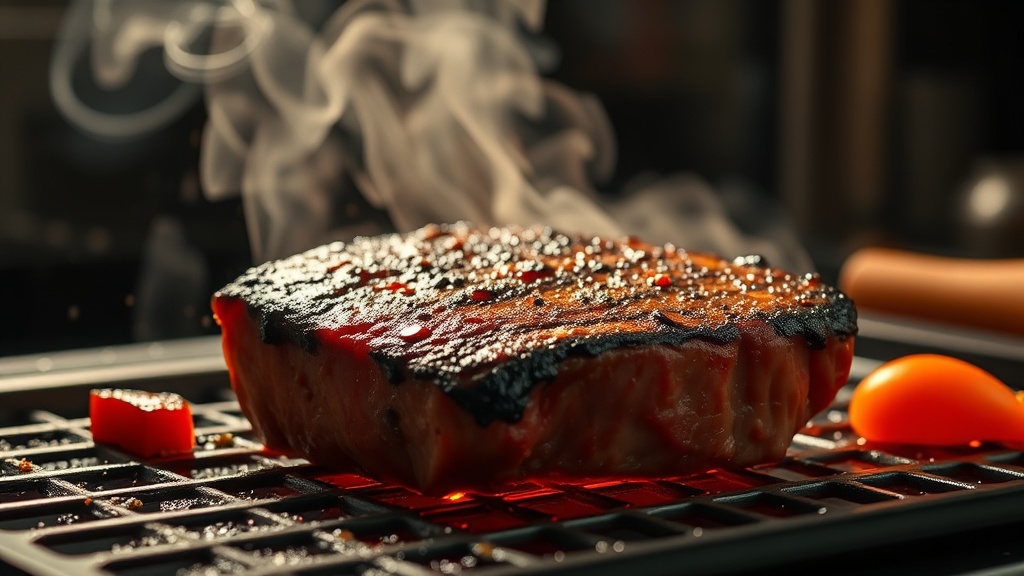
You've heard it a thousand times—"sear the meat to lock in the juices." It's practically gospel in home kitchens. Here's the uncomfortable truth: searing doesn't seal anything. In fact, it does the opposite. Searing exposes meat to intense heat that forces moisture outward, causing it to lose some liquid in the process. The real magic of searing isn't about sealing—it's about creating the Maillard reaction, that gorgeous brown crust that adds deep, complex flavor through caramelization and chemical transformation.
This post tackles seven persistent cooking myths that refuse to die. Some are harmless half-truths. Others lead to dry chicken, bland vegetables, and unnecessary kitchen anxiety. We'll replace fiction with facts—giving you techniques that actually work and explaining the food science behind why they do.
Does searing meat actually seal in the juices?
No. And believing it does might be ruining your steaks.
When meat hits a hot pan, the proteins contract and squeeze moisture toward the surface. A properly seared steak can lose up to 20% more moisture during cooking than one cooked gently without browning. The crust doesn't form a barrier—it forms a flavor compound through the Maillard reaction, where amino acids and sugars rearrange themselves into hundreds of new aromatic molecules.
So why sear at all? Because that browned exterior tastes incredible. The trade-off is worth it—you sacrifice minimal moisture for maximum flavor. For the best of both worlds, try the reverse-sear method: cook thick steaks low and slow first, then finish with a quick, ripping-hot sear. You'll minimize moisture loss while still developing that crave-worthy crust. America's Test Kitchen explains the science thoroughly if you want to dive deeper.
Should you wash chicken before cooking it?
This one's dangerous—not just wrong.
Rinsing raw poultry under the tap doesn't remove bacteria. It spreads it. Water droplets bounce off the chicken and contaminate your sink, countertops, sponges, and anything within a three-foot radius. Campylobacter and salmonella—the main culprits in foodborne illness—don't wash away. They hitch a ride on microscopic water particles and colonize new surfaces.
Thorough cooking to 165°F (74°C) internal temperature is the only reliable way to kill these pathogens. The USDA has been begging people to stop washing chicken for years, yet the myth persists—often passed down from well-meaning grandparents who grew up in an era before we understood cross-contamination.
If your chicken has an off-putting odor or slimy texture, washing won't fix it—discard it. For normal raw chicken, pat it dry with paper towels (which improves browning anyway) and move straight to cooking.
Does adding oil to pasta water prevent sticking?
Save your olive oil for the sauce—this one's pure fiction.
Oil and water don't mix. When you add oil to a pot of boiling pasta, it floats on top. Your noodles pass through it briefly on their way into the pot, but the oil never actually coats them in a way that prevents sticking. What does happen: that oil layer makes it harder for your sauce to adhere to the pasta later. The slippery coating repels sauce instead of helping it cling.
The real secret to non-clumpy pasta? Use plenty of water—at least 4 quarts per pound—and stir vigorously during the first two minutes when starch release is highest. That initial agitation prevents the noodles from fusing together while their surface starch is still gummy. Salt your water generously (it should taste like the sea), but leave the oil bottle in the cupboard.
Is room-temperature steak actually better for cooking?
Everyone's told to let meat sit out before cooking. The reasoning seems sound—cold meat in a hot pan drops the temperature, causing steaming instead of searing. In practice? The difference is negligible.
A thick-cut ribeye straight from the refrigerator might be 38°F. Leaving it on the counter for 30 minutes raises the surface temperature to perhaps 50°F—barely a dent toward the 300°F+ needed for proper browning. The center remains cold. Meanwhile, that 30-minute window increases bacterial growth risk and gives the meat time to oxidize.
There's a better approach. Take your steak from the fridge, pat it bone-dry with paper towels (moisture is the real enemy of browning), season generously, and cook it cold. Yes, cold. The initial temperature shock creates better contrast between a crusty exterior and a properly rare interior. Kenji López-Alt's extensive testing at Serious Eats confirmed this—cold steaks actually brown faster because surface moisture evaporates more slowly, allowing more time for Maillard browning before the interior overcooks.
Does alcohol burn off completely when you cook with it?
Not even close—and this matters for more than just taste.
When you flambé bananas Foster or deglaze a pan with wine, the alcohol doesn't magically vanish. It takes time and heat to evaporate ethanol, and even extended cooking retains significant amounts. A study by the USDA's Nutrient Data Laboratory found that after 15 minutes of simmering, 40% of the alcohol remains. After an hour? Still 25%.
For pregnant people, those in recovery, or anyone avoiding alcohol for health or religious reasons, this isn't academic. That "wine reduction" still contains ethanol. Flambéing looks impressive but leaves behind 75% of the original alcohol content. If you need truly alcohol-free results, use non-alcoholic substitutes—broth, vinegar, citrus juice, or specialty cooking wines that have had the alcohol removed through dealcoholization processes.
Should you always rinse rice before cooking?
It depends—rice isn't rice isn't rice.
Long-grain white rice, basmati, and jasmine benefit from rinsing. The process removes excess surface starch that causes gumminess and sticking. You'll notice cloudy rinse water—that's starch washing away. For fluffy, separate grains (think pilaf or fried rice), rinsing is non-negotiable.
But short-grain sushi rice? Arborio for risotto? These need that surface starch. Rinsing sushi rice strips away the sticky coating that helps grains cling together for proper nigiri. Arborio's starch creates the creamy texture essential to risotto—rinse it and you'll end up with rice soup instead of that signature luscious consistency.
Brown rice and wild rice don't require rinsing either. Their outer bran layers contain nutrients and flavor compounds you want to keep. The bottom line: know your rice, know your dish, rinse accordingly.
Does a sharp knife cause more injuries than a dull one?
This sounds backwards—until you think about the physics.
A dull knife requires more force to cut. More force means less control. When that dull blade finally breaks through a tomato skin or chicken joint, it often slips unpredictably—sometimes toward your fingers. A sharp knife glides through ingredients with minimal pressure. You guide it precisely where you want it to go.
Professional kitchens prioritize knife sharpness for safety as much as efficiency. A freshly honed blade gives instant feedback—you feel exactly what's happening at the cutting edge. Dull knives crush and tear instead of slice, creating ragged cuts that oxidize faster and cook unevenly. They're harder work for worse results with higher injury risk.
Maintain your edges with regular honing (that steel rod realigns the edge between sharpenings) and occasional professional sharpening or whetstone sessions. Your fingertips will thank you. Your vegetables will look better. Your cooking will feel easier. Sometimes the counterintuitive advice is the only one worth following.