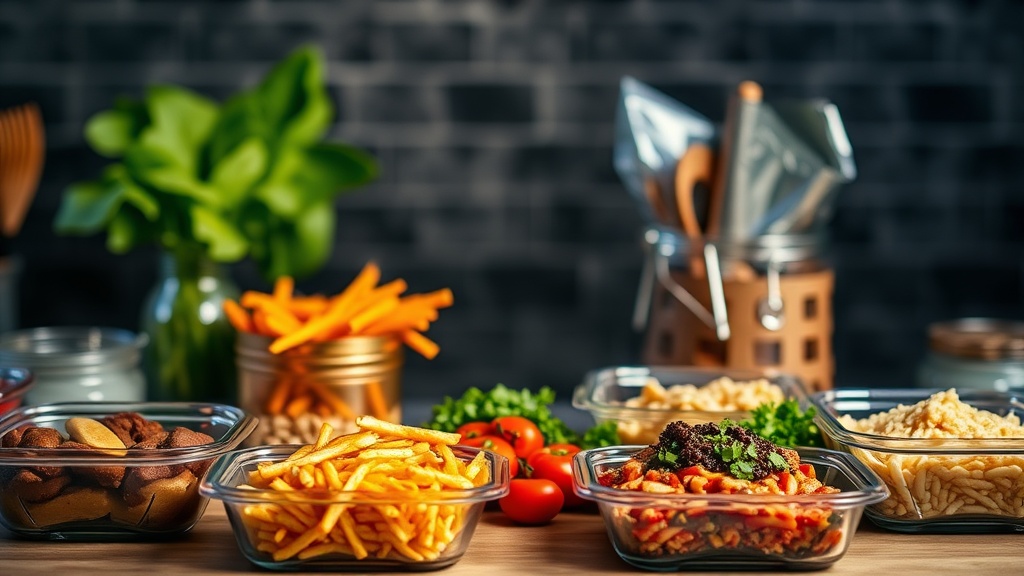
The Beginner's Complete Guide to Weekly Meal Prep

This guide breaks down exactly how to build a sustainable meal prep routine from scratch—no fancy equipment or culinary degree required. You'll learn what to buy, how to store food safely, and which recipes actually work when made ahead. Whether the goal is saving money, eating healthier, or simply reclaiming weeknight hours, the strategies here scale from solo cooks to families of five.
What Do You Need to Start Meal Prepping?
The short answer: less than you think. A few quality containers and basic kitchen tools will carry you through months of successful prep.
Let's talk containers first. Glass sets from Pyrex or Anchor Hocking dominate for good reason—they don't stain, they handle oven heat, and they're dishwasher-safe. That said, quality glass gets heavy fast. For commuters or anyone carrying lunch on public transit, the Rubbermaid Brilliance line offers crystal-clear plastic that's genuinely leak-proof (and BPA-free). The 10-piece starter set runs about $35 and lasts years with proper care.
You'll also want a reliable instant-read thermometer—the ThermoWorks ThermoPop at $35 beats guessing whether chicken reached 165°F. A Dexter-Russell chef's knife ($40-60) handles 90% of prep work without the maintenance anxiety of carbon steel. And here's the thing about cutting boards: buy two. Reserve one exclusively for raw proteins. Cross-contamination ruins meal prep faster than bad recipes.
Storage accessories matter too. Reusable silicone bags from Stasher replace disposable zip-tops for marinating proteins. A vacuum sealer (the FoodSaver VS0150 runs around $80) extends cooked protein life from 4 days to 10—worth it if you prep biweekly instead of weekly.
How Do You Plan a Week of Meals Without Getting Overwhelmed?
Start with just three recurring meals: one breakfast format, two lunch/dinner options. That's it. Monday's oatmeal becomes Wednesday's oatmeal. Tuesday's chicken and rice becomes Thursday's chicken and rice.
The catch? Most beginners try to cook seven different dinners on Sunday. That's restaurant prep, not home meal prep—and it burns people out by week three.
Here's a framework that actually works. Grab a notebook (or the Mealime app—free tier works fine) and answer three questions:
- What's the busiest weeknight? (That's your "emergency meal" slot—plan something freezer-ready.)
- What protein is on sale? (Build around that. Chicken thighs at $1.99/lb beat breast at $4.99.)
- What produce is in season? (Seasonal Food Guide breaks this down by state—seasonal vegetables last longer post-prep.)
Batch cooking follows the 40/40/20 rule: 40% protein, 40% carbohydrates, 20% vegetables by volume. This ratio reheats evenly (no sad, mushy broccoli drowning in sauce) and keeps macronutrients balanced. Cook proteins to 90% doneness—they'll finish in the microwave without drying out.
Worth noting: theme nights help decision fatigue. Mexican Monday means cilantro-lime rice, black beans, and whatever protein needs using. Stir-fry Friday clears lingering vegetables. The structure removes daily choices without removing variety.
Which Foods Actually Last All Week in the Fridge?
Cooked grains, legumes, and most proteins stay safe and tasty for 5-7 days at 40°F or below. Delicate vegetables and dairy-based sauces—not so much.
Let's separate myth from reality. Yes, cooked chicken lasts 3-4 days refrigerated. But USDA guidelines confirm whole cuts (thighs, breasts) outperform ground meats, which should move within 1-2 days. Plan burgers and meatballs for immediate consumption—or freeze them.
Vegetables behave differently depending on preparation. Roasted root vegetables (carrots, parsnips, sweet potatoes) maintain texture through day six. Sautéed greens wilt by day three. The solution? Store dressings and sauces separately. A Mason jar of lemon-tahini dressing stays fresh longer than pre-dressed kale ever could.
Grains are meal prep heroes. Brown rice, quinoa, farro—all hold beautifully. Cook them in Better Than Bouillon instead of water for built-in flavor without extra steps. Pasta requires more finesse: slightly undercook it, toss with olive oil to prevent clumping, and expect 4-day maximum quality.
| Food Category | Best Performers | Avoid or Freeze |
|---|---|---|
| Proteins | Chicken thighs, pork shoulder, baked tofu, hard-boiled eggs | Ground turkey, flaky fish, soft-cooked eggs |
| Grains | Farro, wild rice, barley, quinoa | Fresh pasta, pre-sauced noodles |
| Vegetables | Roasted broccoli, cauliflower, Brussels sprouts, carrots | Raw cucumber, lettuce, sliced tomatoes, avocado |
| Sauces | Vinaigrettes, pestos, peanut sauce, salsa verde | Mayonnaise-based dressings, cream sauces, hollandaise |
What's the Best Way to Reheat Prepped Meals?
Microwaves work fine—if you use them strategically. The problem isn't the tool; it's the technique.
Spread food in a ring around the plate's edge, leaving the center empty. This creates even heat distribution instead of molten edges and ice-cold centers. Add a damp paper towel over the top to reintroduce steam (especially critical for rice and chicken breast). Heat in 60-second bursts, stirring between each, rather than one aggressive three-minute blast.
For crispy textures—roasted vegetables, breaded proteins—the oven or toaster oven wins. Ten minutes at 375°F revives Monday's sweet potato wedges far better than any microwave hack. The Breville Smart Oven Air Fryer ($350) handles this beautifully, though a basic toaster oven at $40 gets 80% of the way there.
Soups and stews reheat best on the stovetop. Bring to a gentle simmer, then reduce heat—boiling destroys texture and concentrates saltiness. Add a splash of water or stock if things thickened too much during storage.
How Much Does Meal Prep Actually Save?
Most households trim 30-40% off their food budget within the first month. The savings come from three places: reduced impulse purchases, less takeout, and minimized food waste.
Here's some real math. A $12 lunch out, five days weekly, equals $240 monthly. Quality homemade lunches—think grain bowls with roasted vegetables and lemon-herb chicken—cost roughly $3-4 per serving. That's $60-80 monthly for weekday lunches alone. Even accounting for Sunday grocery runs and container investments, the break-even point hits week three.
The waste reduction is harder to quantify but equally real. EPA data shows American families discard roughly $1,600 in food annually. Meal prep forces intentionality—you buy what you'll use, and you use what you buy. Those wilting herbs? They go into pesto on prep day, not the compost bin on Thursday.
That said, don't expect grocery bills to drop immediately. The first few weeks require stocking pantry basics—oils, spices, grains—that pay off over months. Bulk buying staples at Costco or WinCo accelerates the savings, though standard supermarkets work fine for testing the waters.
Common Mistakes That Ruin Meal Prep
Overcomplicating recipes kills more meal prep habits than bad food ever could. If a recipe requires twelve ingredients and three pans, it's a weekend project—not a sustainable prep routine.
Another pitfall: ignoring cooling times. Packing hot food directly into containers creates condensation (soggy food) and temperature danger zones (bacterial growth). Let cooked components cool to room temperature—about 30 minutes—before refrigerating. Speed this up by spreading rice or roasted vegetables on sheet pans rather than leaving them in deep pots.
Storage location matters too. The refrigerator door runs warmer than the back shelves. Reserve that prime real estate for prep containers. Door storage works for condiments and preserves, not your carefully cooked Monday lunches.
Finally, many beginners prep "perfect" meals then abandon them for spontaneous takeout. Build flexibility into the system. Prep components—cooked proteins, washed greens, grains—rather than complete meals. A grain bowl assembled fresh Tuesday night beats a pre-packed container you don't actually want to eat.
Sample Beginner Menu: Week One
Start here. These recipes require minimal technique, share ingredients (reducing waste), and actually taste good on day four.
Breakfast: Overnight oats with rolled oats, Greek yogurt, chia seeds, and frozen berries. Prep five jars Sunday. The texture improves as the week progresses—Thursday's jar tastes better than Monday's.
Lunch/Dinner Option A: Sheet-pan chicken thighs with za'atar, roasted sweet potatoes, and steamed broccoli. Season simply: salt, pepper, olive oil. The za'atar (available at Middle Eastern markets or Penzeys Spices) adds complexity without effort.
Lunch/Dinner Option B: Lentil curry over brown rice. Red lentils cook in twenty minutes and freeze beautifully. Make a double batch—freeze half in individual portions for "emergency meal" situations.
Prep this menu Sunday afternoon, and you've covered fifteen meals with roughly three hours of active cooking. Wash containers as they empty midweek, and you'll start the next cycle with clean slate rather than mounting dishes.
"The goal isn't perfect Instagram containers. It's having something nourishing ready when hunger hits."