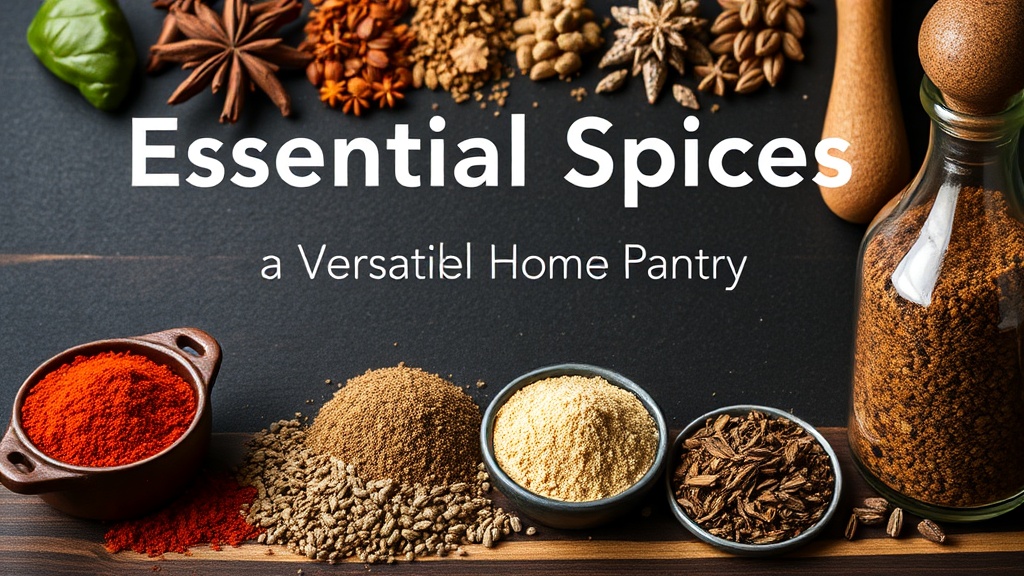
Essential Spices for a Versatile Home Pantry

A cook stands before a steaming pot of pasta, reaches for the spice rack, and realizes the jar labeled "Italian Seasoning" is actually just dried oregano. The dish feels flat, the salt is there, but the soul of the meal is missing. A well-stocked spice pantry is the difference between a meal that is merely functional and one that is actually memorable. This post breaks down the specific spices you need to build a versatile kitchen, how to spot high-quality versions, and how to store them so they don't lose their punch.
Most people think they need a hundred different jars to cook well. They don't. You really only need about a dozen high-quality staples to handle everything from a Sunday roast to a quick Tuesday stir-fry. If you have the right basics, you can pivot between cuisines without running to the grocery store mid-recipe.
What are the best spices for a basic pantry?
A basic pantry should focus on high-impact spices like sea salt, black peppercorns, garlic powder, smoked paprika, cumin, and dried oregano. These are the heavy hitters that provide the foundation for most Western and Mediterranean cooking. Without these, your food will taste one-dimensional.
I always suggest starting with the basics before moving into the exotic stuff. It’s better to have one jar of decent quality McCormick smoked paprika than five jars of cheap, dusty powder that has lost its scent. You want spices that still have a bit of "life" to them.
Here is a quick breakdown of the categories I use to organize my own kitchen:
- The Foundations: Kosher salt, black peppercorns (always buy whole and grind them yourself), and garlic powder.
- The Warm Spices: Cinnamon, nutmeg, and cumin. These add depth and a sense of warmth to savory dishes.
- The Heat: Crushed red pepper flakes and cayenne. Even if you aren't a fan of spice, a tiny pinch of cayenne in a chili or stew adds a layer of heat that isn't immediately obvious.
- The Herbs: Dried oregano, thyme, and rosemary. These are the workhorses for roasted meats and vegetable dishes.
If you’re just starting out, don't feel pressured to buy everything at once. Start with the salt and pepper, then add one "flavor profile" at a time. For example, if you find yourself making more Mexican-inspired meals, grab some high-quality cumin and chili powder. If you're leaning into more Asian-inspired cooking, you might want to look into sizzling wok techniques and the spices that go with them.
One thing I've learned the hard way: never buy the pre-ground versions if you can avoid it. Ground spices have more surface area exposed to air, which means they go stale much faster. It's a small investment in a grinder that pays off in flavor.
How do I know if my spices are still good?
Spices go bad when they lose their volatile oils, which results in a dull, hay-like smell and a lack of flavor. You can test your spices using the "sniff test"—if you can't smell a distinct aroma when you open the jar, they are likely dead. You can also perform a water test for certain seeds, but for powders, scent is your best indicator.
It's not a safety issue—spices don't "spoil" in a way that will make you sick like milk does—but they do become useless. There is nothing more frustrating than following a recipe perfectly and still having a dish that tastes like nothing. This usually happens because the spices were sitting in a bright, hot pantry for two years.
Here is a quick guide to spice longevity:
| Spice Type | Average Lifespan (Opened) | Best Storage Method |
|---|---|---|
| Whole Spices (Peppercorns, Cinnamon sticks) | 3–4 Years | Cool, dark cupboard |
| Ground Spices (Cumin, Paprika, Chili Powder) | 1–2 Years | Airtight glass jar |
| Dried Herbs (Oregano, Thyme, Parsley) | 1 Year | Away from stove heat |
| Ground Extracts (Vanilla, etc.) | 1 Year | Refrigeration (if specified) |
A common mistake is keeping your spice rack right above the stove. I know, it's convenient. But the heat and steam from cooking are the enemies of spice quality. The constant temperature fluctuations essentially "cook" the oils out of your spices before you even use them. Move them a few feet away to keep them fresh longer.
Where is the best place to buy high-quality spices?
The best place to buy spices depends on your budget, but specialized retailers or high-end grocers usually offer much better quality than standard supermarkets. For the best value and quality, look for brands that focus on single-origin products or those that sell whole spices rather than pre-ground powders.
If you want to go the professional route, I'm a huge fan of Burlap & Barrel. They focus on single-origin spices, which means you get much more intense flavor because the product hasn't been sitting in a massive warehouse for months. On the other hand, if you're on a budget, the Trader Joe's spice line is surprisingly decent for the price point. They aren't "gourmet," but they are reliable for everyday cooking.
If you prefer shopping in person, skip the massive "value size" jars in the baking aisle. Those are often the oldest stock on the shelf. Instead, look for the smaller, glass-jarred versions. They are more expensive per ounce, but the flavor density is vastly superior. It's worth the extra dollar or two to avoid the frustration of a bland meal.
A quick tip for the budget-conscious cook: buy your spices in bulk from places like Amazon or local ethnic grocery stores. If you use a lot of cumin or garlic powder, buying a large bag of whole seeds and grinding them yourself is significantly cheaper than buying the tiny jars at the supermarket. It's a bit more work, but the flavor profile is night and day.
For more information on food safety and how different ingredients are regulated, you can check the FDA website. While spices aren't a high-risk food, understanding how the industry handles sourcing can help you make better purchasing decisions.
I once spent an entire weekend trying to make a curry from scratch, only to realize my turmeric was basically just yellow dust. I had bought it on clearance at a big-box store. The result? A dish that looked beautiful but tasted like nothing. I spent the rest of the evening eating toast. Don't be like me. Invest in your spices. It's the single most effective way to improve your cooking without actually learning a new skill.
When you're building your collection, remember that spices are tools. A hammer is useless if it's rusty, and a spice is useless if it's stale. Treat your pantry with respect, keep it cool, and always, always smell your spices before you toss them into the pan. If they don't give you that instant hit of excitement, they aren't doing their job.