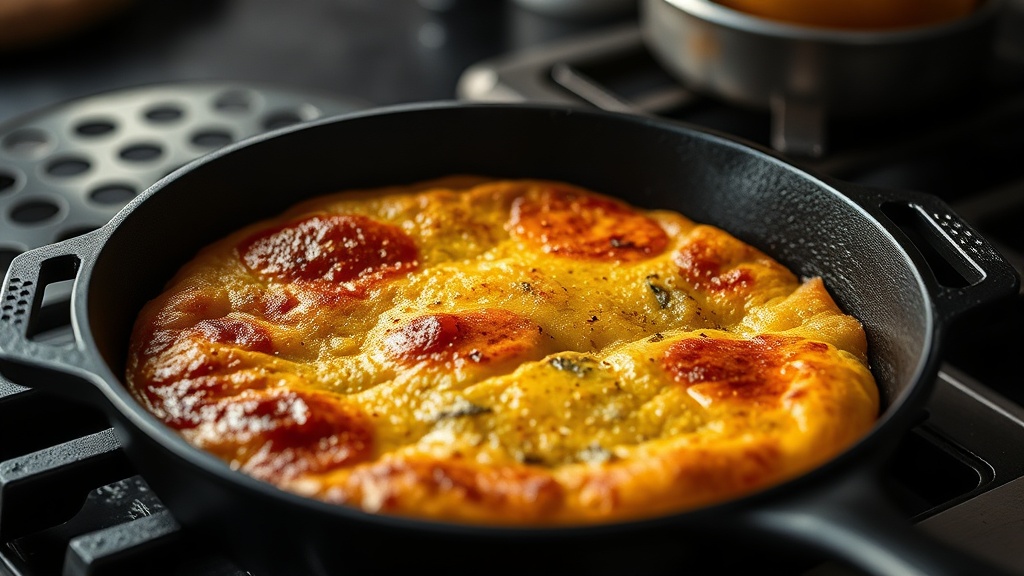
Perfecting the Golden Crust with Cast Iron Skillet Searing

A steak sits in a pan, gray and limp, despite the high heat. The surface looks boiled rather than seared, and the meat lacks that deep, mahogany crust that makes a high-end steakhouse meal worth the price. This happens because the pan temperature wasn't high enough or the moisture wasn't managed correctly. Mastering the cast iron skillet allows you to achieve a professional-grade sear that locks in flavor and creates a texture that's impossible to replicate in a non-stick pan.
Cast iron is a heavy-duty tool that holds heat better than almost any other cookware. When you use it right, you get a crust that's crispy and deeply flavored. If you use it wrong, you end up with a greasy, soggy mess. We're going to look at the physics of heat, the right fats to use, and the timing required to get that perfect result every single time.
How Do You Get a Perfect Sear on a Cast Iron Skillet?
To get a perfect sear, you must preheat your cast iron skillet over medium-high heat until it reaches a temperature between 400°F and 450°F, and ensure your protein is completely dry before it touches the pan.
First, grab a roll of paper towels and pat your steak or scallops dry. I don't just mean "dab" it—I mean get it bone-dry. If you're using a thick cut of beef, salt it a bit early (about 45 minutes before cooking) to allow the salt to draw moisture out and then reabsorbs it, or just salt it immediately before it hits the pan. The goal is to minimize surface moisture.
Next, you need to choose the right fat. Don't use extra virgin olive oil or butter for the initial sear. Butter has a low smoke point and will burn, leaving bitter black flakes all over your food. Instead, reach for an oil with a high smoke point like avocado oil or grapeseed oil. If you want that buttery finish, add the butter at the very end during the "basting" phase. This is a technique often used in professional kitchens to add flavor without burning the dairy solids too early.
Once the pan is screaming hot, drop the protein in. It should sizzle immediately—if it doesn't, your pan wasn't hot enough. This is where the Maillard reaction happens. It's the chemical reaction between amino acids and reducing sugars that gives browned food its distinctive flavor. It's not just about color; it's about deep, savory complexity.
For more on heat management and flavor development, check out my previous post on sizzling wok techniques, which uses similar high-heat principles.
The Essential Heat-Conducting Oils
Choosing the wrong oil is a common mistake. You want something that can handle the intense heat of a cast iron skillet without breaking down into acrid smoke. Here is a quick breakdown of common cooking fats and their suitability for high-heat searing:
| Oil Type | Smoke Point (Approx.) | Best Use Case |
|---|---|---|
| Avocado Oil | 520°F | High-heat searing, steak, scallops |
| Grapeseed Oil | 420°F | General high-heat frying and searing |
| Canola Oil | 400°F | Budget-friendly high-heat cooking |
| Extra Virgin Olive Oil | 375°F | Low to medium heat; avoid for heavy searing |
| Unsalted Butter | 300°F | Finishing/Basting at the end of cooking |
Why Is My Cast Iron Skillet Not Searing Properly?
Your skillet likely isn't reaching a high enough temperature or your seasoning is interfering with heat transfer. Most home cooks are actually afraid of their cast iron, treating it like a delicate piece of porcelain, but the reality is that cast iron thrives on heat and oil. If your pan is too cold, the protein will stick and steam. If your seasoning is too thick or "gummy" from improper cleaning, it can actually act as a barrier to even heat distribution.
One reason for a poor sear is the "crowding" effect. If you put too many pieces of meat in the pan at once, you drop the temperature of the skillet instantly. The moisture released from the meat creates a pool of liquid, and suddenly you're poaching your steak in its own juices. Work in batches if you have to. It's better to cook three small batches than one big, soggy one.
Another thing to consider is the weight of your pan. A thinner cast iron pan will lose heat much faster than a heavy-duty Lodge or Le Creuset skillet. The more mass the pan has, the more stable the temperature will be when the cold meat hits the surface. This thermal mass is what allows for that consistent, crusty exterior.
If you're curious about the science of why oils behave this way, the Wikipedia page on smoke points offers a great technical deep dive into how different fats break down under heat.
Common Searing Pitfalls
- The "Cold Pan" Trap: Adding meat before the oil is shimmering or smoking slightly.
- The "Too Much Stuff" Mistake: Overcrowding the skillet and causing a temperature drop.
- The "Wet Meat" Issue: Not drying the surface of the protein sufficiently.
- The "Wrong Fat" Error: Using butter or low-smoke oils during the initial high-heat phase.
How Long Should I Sear a Steak in Cast Iron?
There is no single "correct" time because it depends entirely on the thickness of your protein and your desired doneness, but a general rule for a 1.5-inch thick ribeye is about 3 to 4 minutes per side over high heat. You aren't just timing it; you're watching for visual cues. You want a deep, dark brown crust that looks solid, not just a light tan.
For a more precise way to track doneness, I highly recommend using an instant-read thermometer. Relying on the "finger test" or just guessing by color is how people end up with overcooked, dry meat. If you're aiming for medium-rare, you want to pull the meat off the heat when it hits about 130°F (54°C). The temperature will continue to rise as the meat rests—this is called carryover cooking. If you pull it at 135°F, it might end up at 145°F by the time you eat it.
During the last two minutes of cooking, try the butter-basting method. Once you've achieved your sear, turn the heat down slightly, add a knob of unsalted butter, a few cloves of smashed garlic, and maybe a sprig of fresh thyme or rosemary. Tilt the pan and use a large spoon to continuously pour that hot, flavored fat over the meat. This adds a final layer of glossy, savory goodness that a standard sear lacks.
The rest is just as important as the sear. Once the meat is out of the pan, let it sit on a warm plate or a cutting board for at least 5 to 10 minutes. If you cut it immediately, all those delicious juices will run out onto the board, leaving the meat tough and dry. A good rest allows the muscle fibers to relax and reabsorb the juices.
When you're working with high-quality ingredients, you want to treat them with respect. A well-seasoned cast iron pan is one of the best tools in a kitchen—it's practically indestructible if you treat it well. For more tips on maintaining your kitchen tools and ingredients, you might find my guide on essential spices helpful for building a better pantry ecosystem.
Keep your pan hot, your meat dry, and your oils high-smoke. That's the secret to a steakhouse-quality crust right in your own kitchen.
Steps
- 1
Preheat the Skillet
- 2
Pat the Surface Dry
- 3
Introduce the Fat
- 4
The Initial Sear
- 5
The Butter Baste